
No key immune complications reported with experimental cell therapy
Safety analysis included five autoimmune diseases, including scleroderma
Written by |
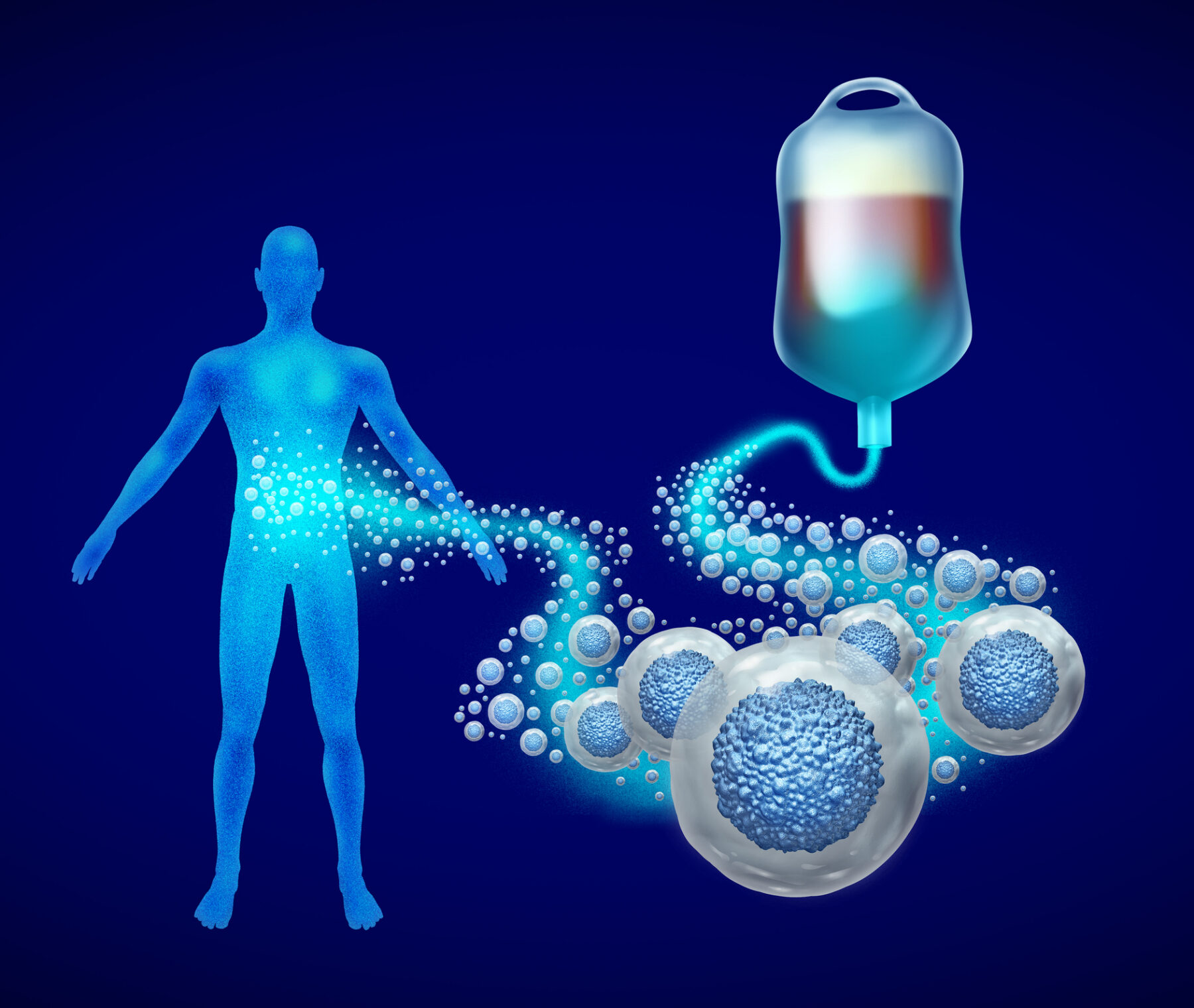
Experimental cell therapy NKX019 has shown an encouraging safety profile in early clinical testing involving people with five autoimmune diseases, including scleroderma. (Photo from iStock)




NKX019, an experimental cell therapy being developed for scleroderma and other autoimmune diseases, has shown an encouraging safety profile in early clinical testing, according to its developer, Nkarta.
According to a press release from Nkarta, 40 people with five autoimmune diseases have received NKX019. The company presented the combined safety findings during an oral presentation at the American College of Rheumatology (ACR) Convergence 2026 meeting in Orlando, Florida. The presentation included data from 15 patients with systemic sclerosis (SSc).

How NKX019 differs from traditional CAR T-cell therapies
NKX019 belongs to a class of treatments called CAR cell therapies. CAR stands for chimeric antigen receptor, a lab-made protein that helps immune cells recognize and attack specific target cells. CAR cell therapies were originally developed to treat blood cancers, using engineered immune cells to target cancer cells. More recently, researchers have begun exploring these therapies for immune-mediated disorders, aiming to eliminate immune cells that drive disease.
CAR cell therapies that are currently available to treat blood cancers use immune cells called T cells. These therapies are autologous, meaning they use the patient’s own cells. The cells are collected, modified in a laboratory to carry the CAR, then returned and infused into the patient.
Although effective in some patients, this approach can be time-consuming and costly. CAR T-cell therapies also carry risks of serious complications, including cytokine release syndrome (CRS), immune effector cell-associated neurotoxicity syndrome (ICANS), and immune effector cell-associated hemophagocytic lymphohistiocytosis-like syndrome (IEC-HS).
NKX019 differs from traditional CAR T-cell therapies for blood cancer in two key ways. First, it uses natural killer (NK) cells instead of T cells. According to Nkarta, NKX019 is designed to work with limited expansion, or growth, of these cells in the body. This may help reduce the risk of serious immune reactions.
Second, rather than using a patient’s own cells, NKX019 is an allogeneic therapy made from donor cells. According to Nkarta, this approach may simplify treatment and make it accessible to more patients.
Cell therapy could expand access to autoimmune disease treatment
“For patients living with refractory [difficult to treat] autoimmune diseases, the burden is progressive disability, pain and the uncertainty of whether the next treatment will work after so many others have failed. Cell therapy offers new hope, but access is currently constrained by where patients live and whether they can access a highly specialized treatment center,” said Guillermo J. Valenzuela, MD, of Integral Rheumatology and Immunology Specialists in Plantation, Florida.
“If we can deliver the therapeutic potential of CD19-directed cell therapy with a manageable safety profile, patients could receive these treatments in their own communities from rheumatologists who know them. That would represent a sea change in autoimmune care,” Valenzuela added.
NKX019 uses a CAR that targets CD19, a protein found on B cells, which play a role in several autoimmune disorders. Several approved CAR T-cell therapies also target CD19.
“Unlike CAR T cells, which can undergo rapid and substantial expansion in the body, NKX019 is designed to deliver targeted B-cell depletion with limited [cell growth in the body] and more predictable cellular exposure. These fundamental biological differences may allow us to achieve the therapeutic benefits of CD19-directed cell therapy without the toxicities associated with autologous T cell-based modalities,” said Paul J. Hastings, CEO of Nkarta.
Nkarta is sponsoring two clinical trials of NKX019 in people with autoimmune diseases. One, Ntrust-2 (NCT06733935), includes adults with systemic scleroderma. Scleroderma causes abnormal scarring and tissue thickening linked to immune system dysfunction. In systemic scleroderma, the disease can also affect internal organs.
Ntrust-2 trial includes patients with systemic scleroderma
The Ntrust-2 study is enrolling adults ages 18 to 75 with several autoimmune diseases at a dozen sites across the U.S. Participants receive a three-dose cycle of NKX019. Patients included in the reported safety analysis received 1 billion, 2 billion, or 4 billion cells per dose. Before receiving NKX019, participants undergo chemotherapy to reduce existing immune cells and prepare the body for treatment.
In the presentation at ACR, researchers presented findings from a total of 40 patients across Ntrust-2 and Ntrust-1. Across these 40 patients, there were no reported cases of CRS, ICANS, IEC-HS, or graft-versus-host disease (GvHD), a complication in which donor immune cells attack the recipient’s healthy tissues. Grade 3 or higher adverse events mostly involved blood cell abnormalities and were generally attributed to the chemotherapy given before NKX019. There were no deaths or treatment discontinuations due to adverse events. Five (12.5%) patients experienced infusion reactions associated with NKX019, all of which resolved within two days with standard supportive care. Nkarta cautioned that the findings were preliminary, involved a small number of patients with limited follow-up, and could change as more data become available.
“The absence of CRS, ICANS, IEC-HS and GvHD across 40 patients and five autoimmune diseases reinforces our belief that CAR NK cells could offer a differentiated approach to autoimmune cell therapy,” Hastings said.



Leave a comment
Fill in the required fields to post. Your email address will not be published.